Lake Santeetlah fishes like what it is: a deep, clear mountain reservoir, 2,881 acres of flooded Cheoah River valley at almost 2,000 feet of elevation. The species list is longer than most lakes manage. Smallmouth and largemouth bass, walleye, crappie, rainbow and brown trout, and muskie all live here, because the lake is cold enough at depth for trout and warm enough in the coves for bass. The catch is that clear water makes fish cautious. Light line and patient presentations outfish brute force on Santeetlah.
Public boat ramps ring the lake, and most of the shoreline is national forest, so bank access exists in places where a developed lake would have posted signs. What follows is the lake by species, then by season.
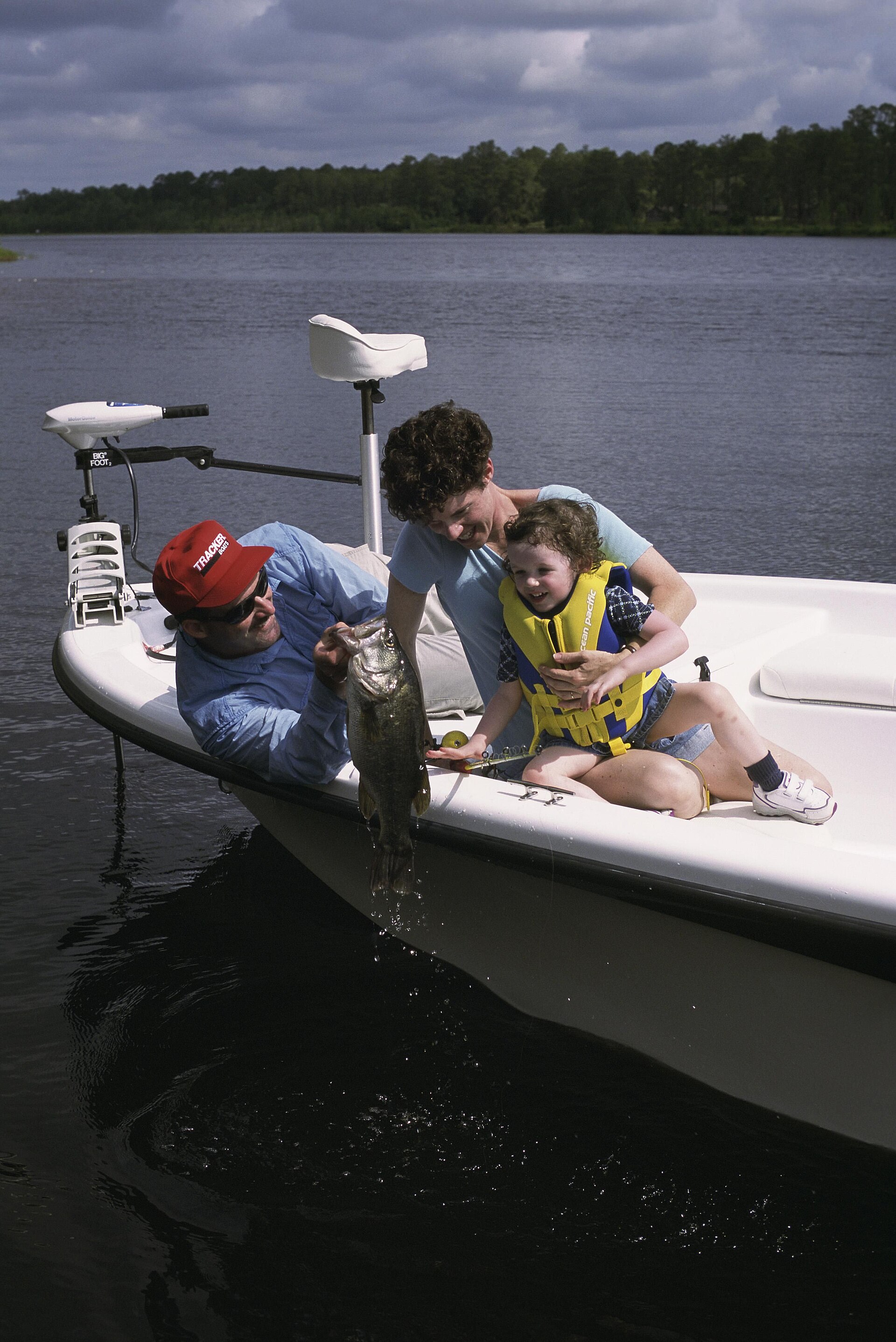
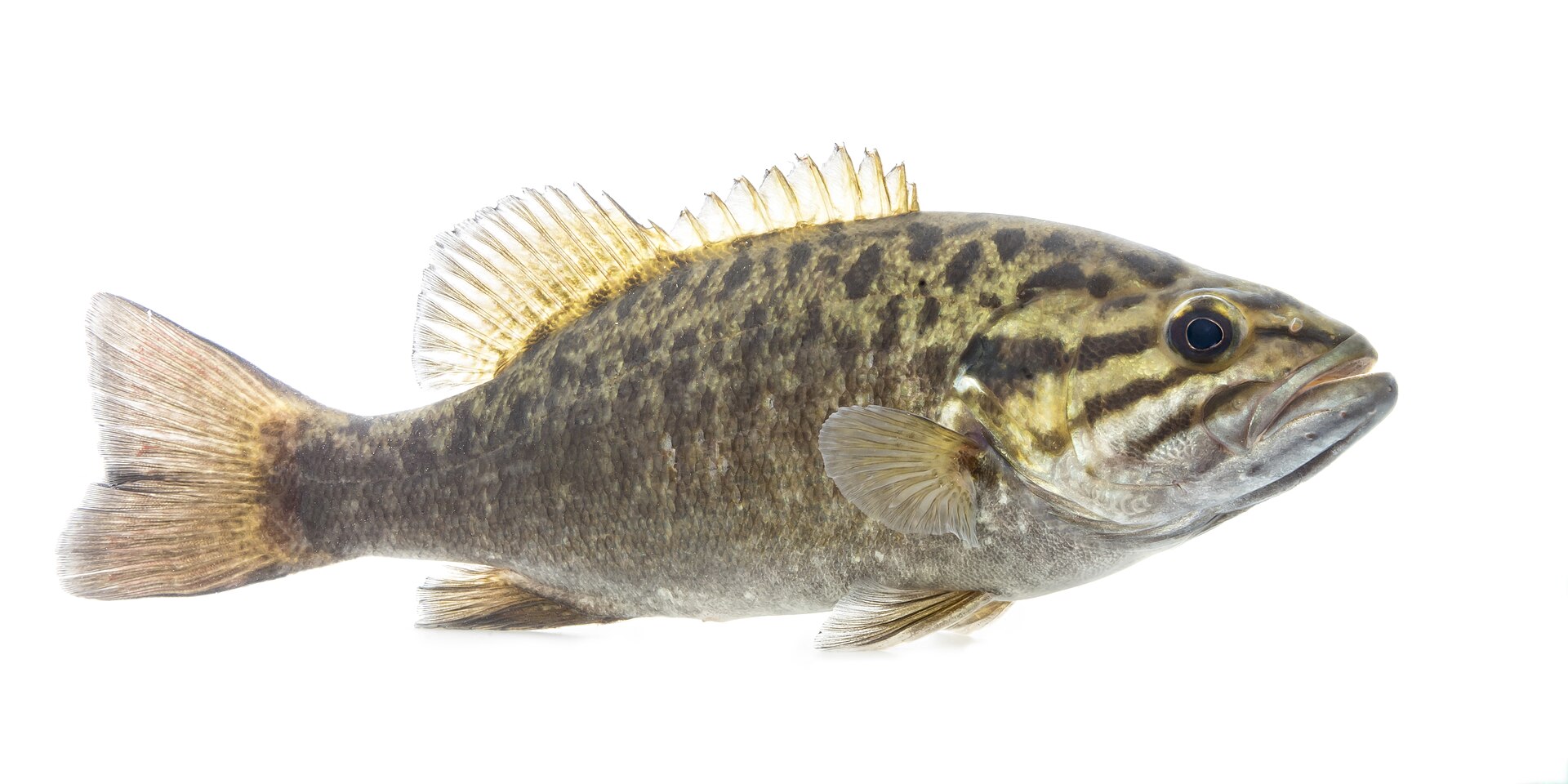
Smallmouth bass: the main event
Smallmouth are the fish Santeetlah is known for. They hold on rocky shorelines, points, and gravel, in the kind of structure the flooded valley has in unlimited supply. Jigs, tubes, jerkbaits, and spinnerbaits all produce, with finesse tactics on light line the reliable choice when the water is clear and the sun is up. Spring and fall, when smallmouth move shallow, are the best times; in summer they slide deeper, commonly working the 15 to 30 foot band along with the largemouth.
Largemouth bass and panfish
Largemouth favor the coves: shallow water, submerged wood, and docks. Topwater lures early and late in the day, jigs and soft plastics the rest of the time. Crappie school around submerged trees and brush and take small jigs and minnows; in winter they leave the shallows and hold deep, 20 to 40 feet down, around creek channel bends, standing timber, and brush piles. Bluegill fill in the gaps around docks and shallow cover for anyone fishing light tackle.
Walleye: low light and gravel
Walleye have been stocked in Santeetlah for over a decade and are established, though never a numbers fishery. They feed at dawn, dusk, and after dark, and take jigs tipped with minnows or nightcrawlers, plus jerkbaits and crankbaits when they come shallow. The known pattern: spawning fish gather in late February on gravel at the upriver end of the lake and on in-lake gravel bars and riprap, then drop back to points and ledges in 10 to 20 feet as the water warms.
Trout in a bass lake
Rainbow and brown trout are the surprise in the livewell. In the cold months they cruise close to shore and hit spoons, spinners, and small stickbaits cast from a boat toward the bank, which makes winter a real trout season here. As the lake warms, the trout go deep and are mostly a trolling proposition in open water. There are also muskie, present in small numbers and pursued by a small, patient minority.
The seasons, quickly
- Spring: the best all-around fishing. Bass and crappie shallow, walleye finishing their spawn run, trout still near the banks.
- Summer: fish early and late, and fish deep at midday. Trout by trolling. Bass hold in the 15 to 30 foot range.
- Fall: a second spring. Cooling water pulls bass and crappie back shallow.
- Winter: underrated. Bass stay close to the bank on this lake and can be caught on a variety of lures, crappie go deep to timber, and shoreline trout are at their best. Note the winter drawdown drops the lake up to about 10 feet from December through March, which concentrates fish and changes which ramps and banks are usable.
A private dock changes the math on all of it. Houses on the lake, 4 Lakeside Trail among them, put a fisherman over dock structure at first light without a boat launch involved, and the dock shade and posts hold panfish and largemouth through the summer.
License basics
North Carolina requires an inland waters fishing license for anyone 16 or older fishing public water, and that includes Santeetlah. Anglers under 16 fish free. Trout are covered by the standard inland license; there is no separate trout stamp to buy. Buy through the state's Go Outdoors NC system online or on its app, or from a local license agent, and check the current price there, since fees adjust over time. Size and creel limits are set by species in the state inland regulations digest, so check the current digest before you keep fish, particularly for muskie and trout.
New to the lake itself? Start with the Lake Santeetlah basics, then come back here with a rod.
Keep reading
- Boating on Lake Santeetlah: Santeetlah Marina, Public Ramps, and Boat-In Campsites
- The Nantahala River: Rafting the Gorge, the NOC, and 50-Degree Water
- Santeetlah Marina
Common questions
What fish are in Lake Santeetlah?
Smallmouth and largemouth bass, walleye, crappie, rainbow and brown trout, bluegill, and muskie. Smallmouth on the rocky points are the lake's signature fishery.
Do I need a fishing license for Lake Santeetlah?
Yes, if you are 16 or older: a North Carolina inland waters license, available through Go Outdoors NC. Under 16 fishes free, and trout are included in the inland license with no separate stamp.
What is the best time of year to fish Lake Santeetlah?
Spring and fall, when bass and crappie are shallow and active. Winter is the sleeper season: bass near the banks, trout along the shore, and very little company.